Vitamin C Serum Side Effects (Truths for Pakistani Women)
You want clearer, brighter skin but worry about vitamin C serum side effects. Here, I’ll explain what can really happen when you use vitamin C on your face. I’v been trying serums with friends and clients, and I know what works and what doesn’t.
What Is Vitamin C Serum and Why People Love It
Before we talk about side effects, let’s be clear about what it is.
Vitamin C serum is a topical antioxidant used in skincare for:
Brightening dull skin
Reducing dark spots and pigmentation
Helping boost collagen production
Protecting against free radicals and UV damage when paired with sunscreen
Most people love how it can fade hyperpigmentation and help even out skin tone. But it’s not magic, and sometimes skin reacts.
Common Vitamin C Serum Side Effects (What You Might Experience)
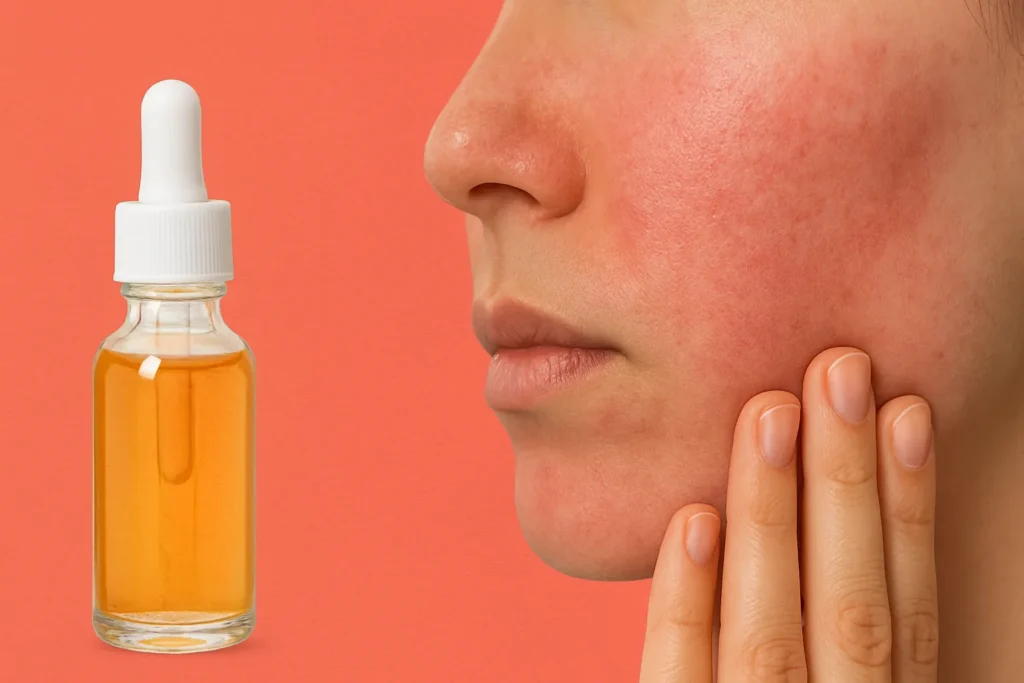
1. Skin Irritation and Redness
This is the most talked about issue.
You might feel burning, itching, or tingling after use.
It’s more common with higher concentrations (15%+) or unstable formulas.
I remember one friend who got red, tight skin the first week. She thought it was acne, but it was irritation. It eased once she used a gentler product.
Tip: Always patch test before applying all over.
2. Temporary Breakouts or Purging
Sometimes tiny bumps appear after you start using vitamin C.
This happens because vitamin C speeds up skin turnover and can push out impurities at first.
It usually doesn’t last long
If pimples continue past 3 weeks, it might not be purging
If your skin is already acne-prone, be cautious, especially with strong actives like retinol or AHA/BHA acids.
3. Dryness, Flakiness, or Peeling
Your skin might feel dry or flaky, especially if you’re not using a moisturizer after the serum. That dryness can be surprising if you have already dry or sensitive skin.
4. Sun Sensitivity (Photosensitivity)
Vitamin C can make skin more sensitive to sun if you skip sunscreen.
Even though vitamin C itself helps protect against UV damage, it can make bare skin more reactive to sunlight if unprotected.
Rule of thumb: Wear SPF every day. (Yes, even if it’s cloudy.)
5. Allergic Reactions (Rare, But Possible)
In some very rare cases, serums can cause:
Persistent itching
Swelling
Hives or rash
This is often due to fragrances or preservatives added to the product, not always the vitamin C itself.
If this happens, wash it off and stop using it immediately.
6. Yellowing or Oxidation Stains
Unstable vitamin C can oxidize, turning brown or yellow.
In extreme cases, this may even slightly stain skin or pillowcases.
That’s a sign the product has gone bad, so don’t use it.
Why Side Effects Happen (Real Talk)
Here’s the honest reason some women love vitamin C while others hate it:
Skin Type Matters
Girls with sensitive or dry skin often react more than those with normal skin.
Many Pakistani women I know learned this the hard way. Your inherited skin traits matter.
Product Quality and Stability
Vitamin C is unstable. It breaks down in heat, humidity, and light.
In Pakistan, many products get shipped and stored in warm conditions, making them less effective or irritating.
Who Should Be Extra Careful?
You might watch out if you have:
Very sensitive skin
Active acne or inflamed skin
Rosacea or eczema
Already use strong actives like retinol
As one dermatologist friend told me, vitamin C is great for most, but not for every skin type.
How to Use Vitamin C Serum Safely
Here’s what I do when I recommend it to friends:
Patch Test First
Apply a tiny amount on your jawline or inner arm for 24 hours. If nothing happens, go ahead.
Start With Low Concentration
Begin with 5 – 10% vitamin C and increase slowly.
Moisturize After
Don’t skip the moisturizer. It keeps your skin hydrated.
Always Use Sunscreen
This matters more than almost anything else.
Don’t Mix With Too Many Actives
Using vitamin C at the same time as retinol, salicylic acid, or alpha hydroxy acids can irritate skin.
Quick Table: Common Side Effects You Should Know
Side Effect
What It Feels Like
Typical Cause
Irritation
Burning, redness
Strong formula, sensitive skin
Breakouts
Small pimples
Purging or wrong product combo
Dryness
Flakiness
No moisturizer
Sun Sensitivity
Easy sunburn
No SPF
Allergic Reaction
Rash, swelling
Fragrances, preservatives
Oxidation Stains
Yellow/brown tint
Product gone bad
Final Thoughts
Vitamin C serum can be fantastic for skin if used right, but it isn’t for everyone. If you’ve felt redness, itchiness, or sensitivity, don’t panic. Just tweak how you use it, lower the strength, and protect your skin with moisture and SPF. Your skin is unique and deserves gentle care.